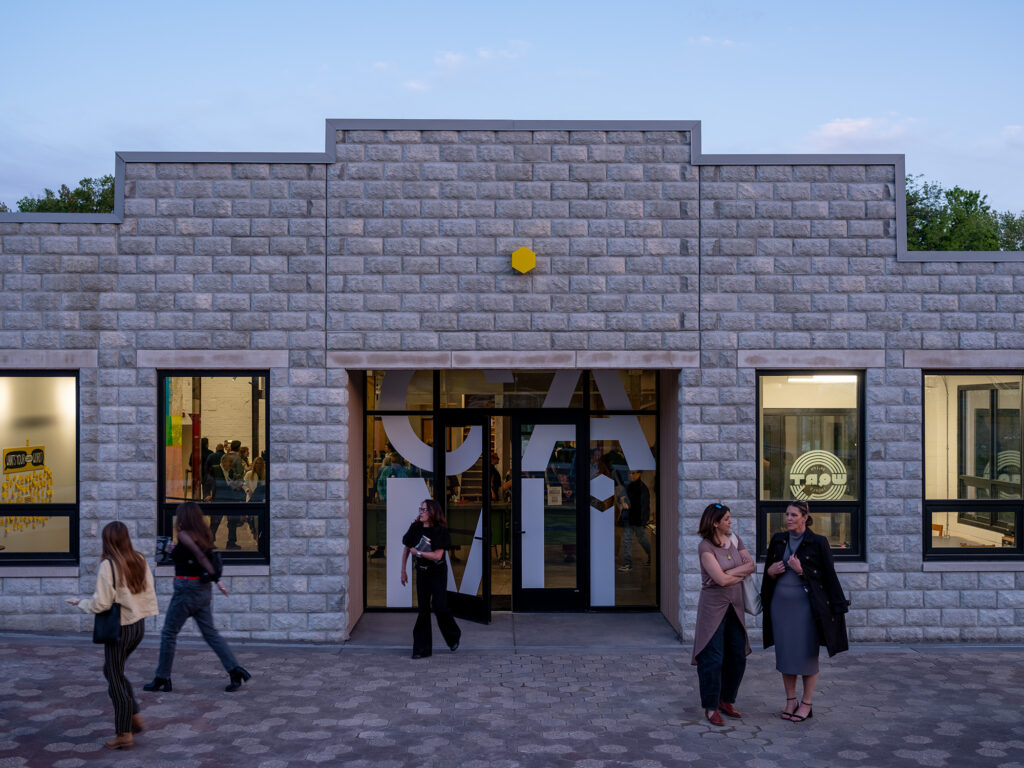
I’ve been following the Indianapolis arts group Big Car Collaborative since 2010, when I met co-founders Jim Walker and Shauta Marsh in what was then the up-and-coming neighborhood of Fountain Square. Ever since, I’ve regularly checked in with them as they moved around the city, activating disused spaces, including a former automotive service center in a struggling shopping mall parking lot.
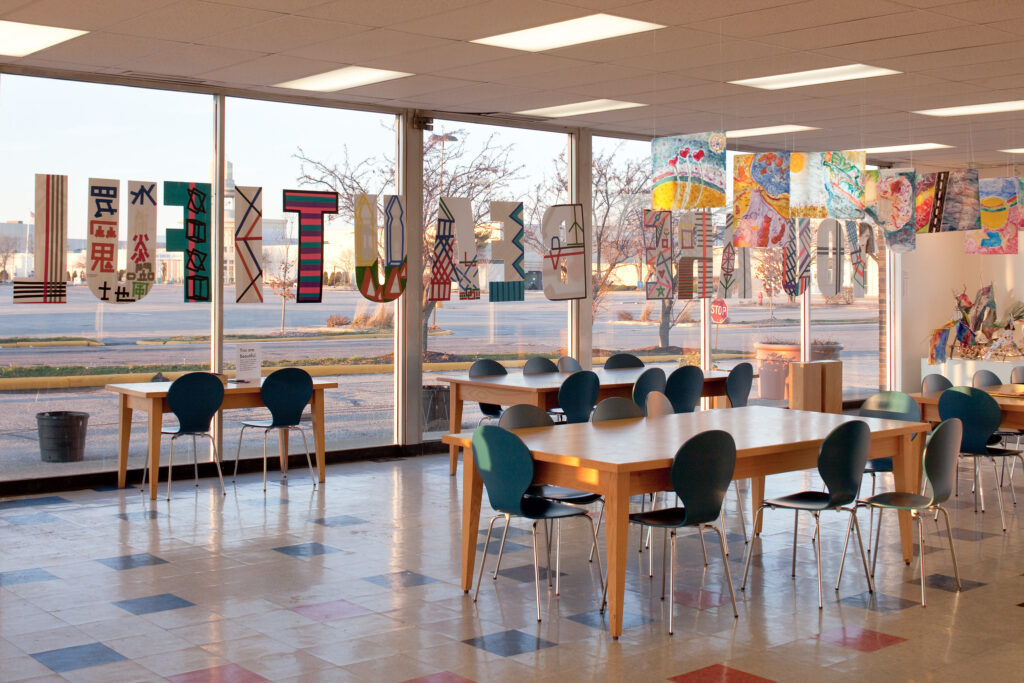
In 2015, Big Car made the permanent move to the city’s Garfield Park neighborhood, where they have been slowly building an arts-forward community. At the center of their project has been a social and arts space called The Tube Factory, but art has only been one part of their work. Worried about the potentially gentrifying effects of their move to the area, one of the first things they did was partner with a not-for-profit community development organization to protect as much of the neighborhood’s low-cost housing as they could afford.
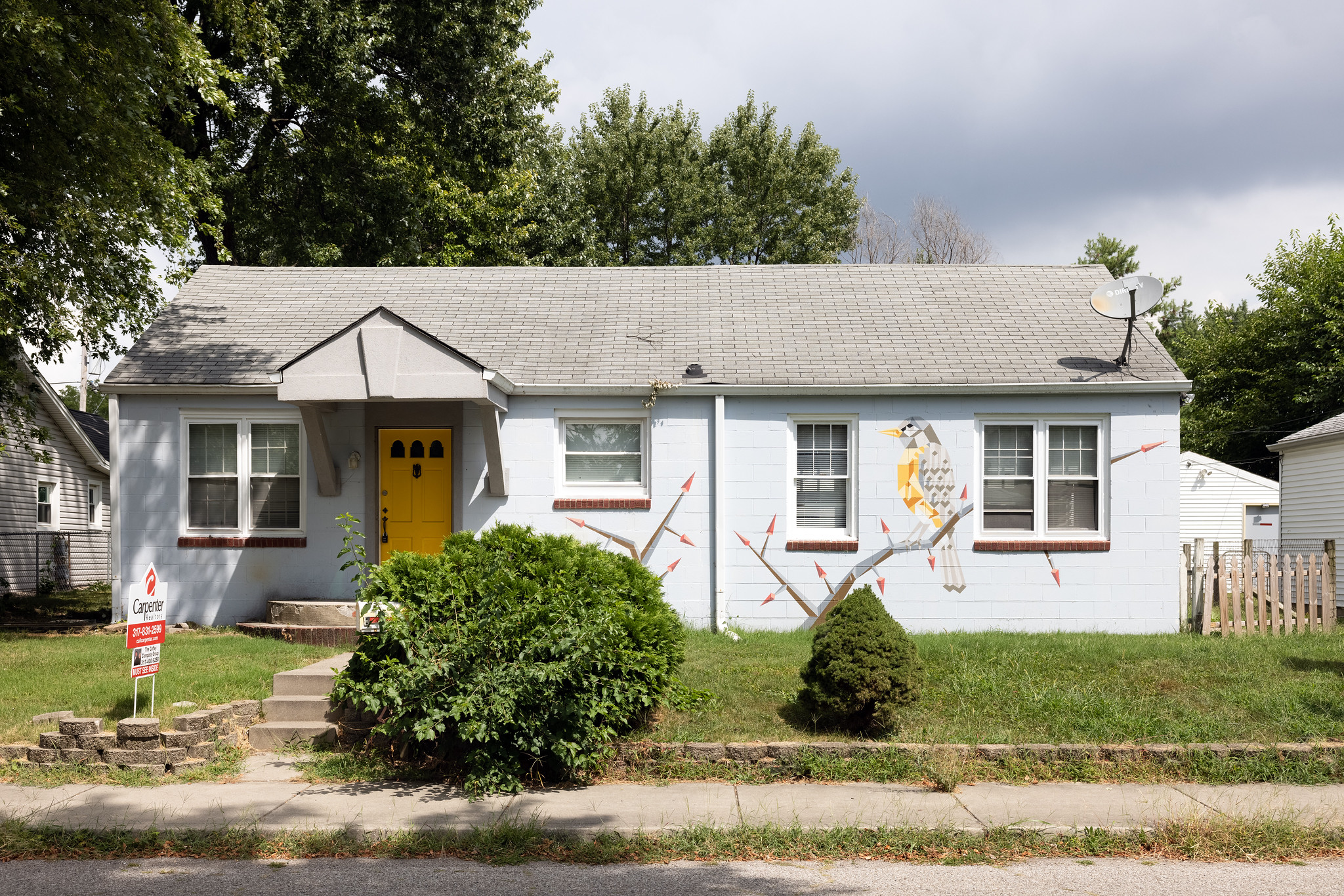 | 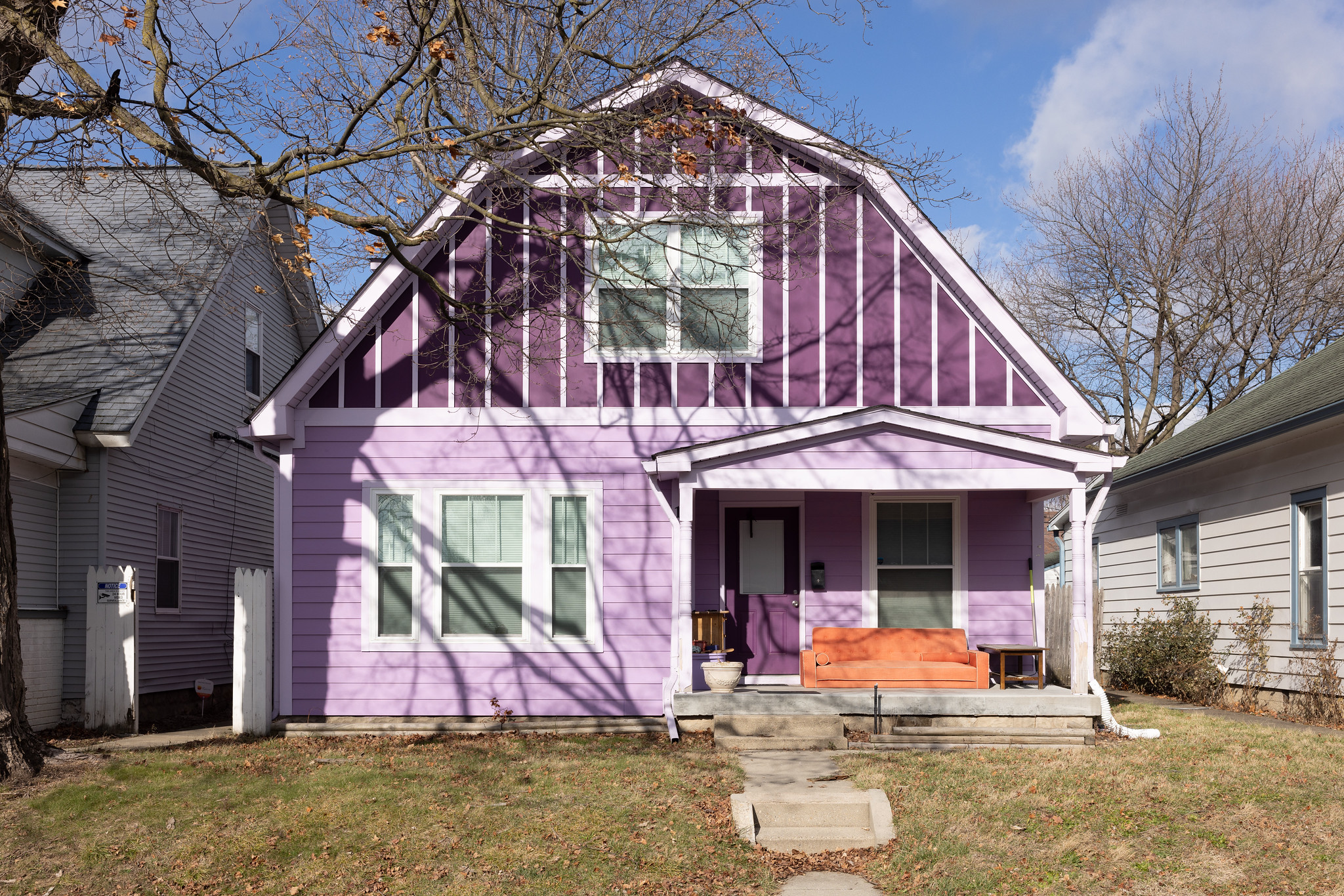 |
At present, Big Car owns 18 affordable housing units that are rented to all manner of artists and their families, but, again, that’s not all. As Michael Carriere and I wrote in The City Creative,
Among other projects, Big Car hosts neighborhood association meetings, commissions work that connects with the community, and operates a radio station that allows anyone to propose a show. After all, as Walker says: “You hear developers talking about being a ‘developing and placemaking company.’ And all they did is make a place. Everywhere is a place. It’s the making part they don’t understand.”
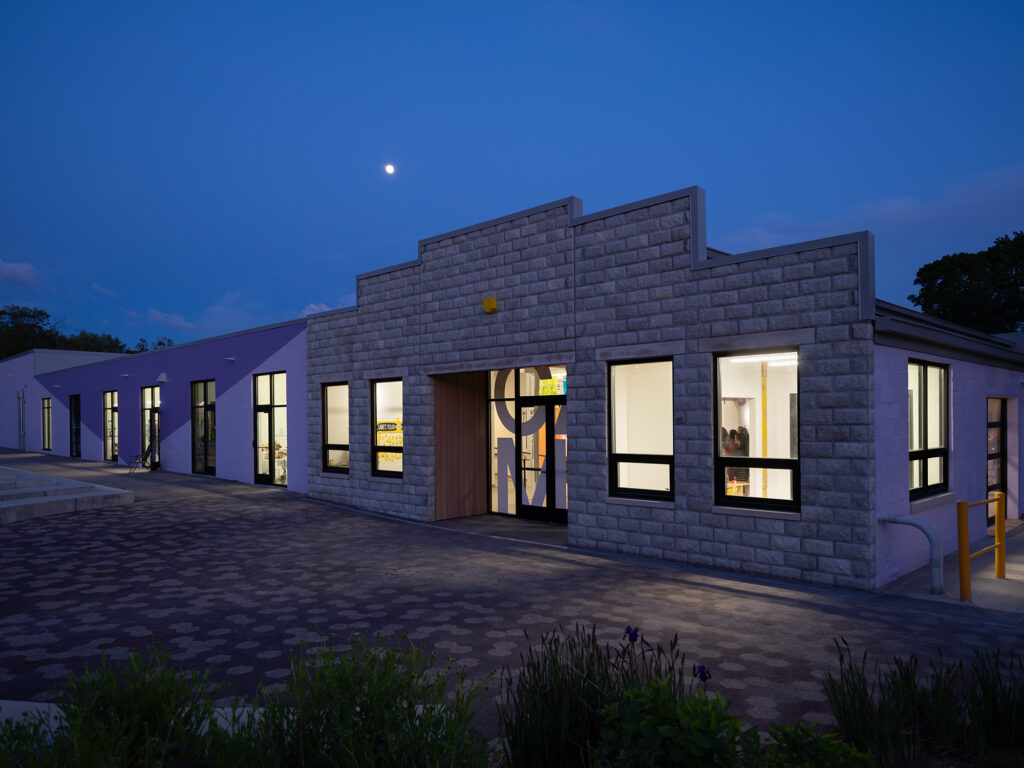
Their newest phase in placemaking is their transformation into the Contemporary Art Museum of Indianapolis (CAMi). Since their official opening on May 1, the organization is continuing all of its previous programming while becoming a true museum, thanks to their renovation of a 40,000 square foot former dairy barn adjacent to the Tube Factory. There, the museum has all the galleries one would expect in a new museum and also incorporates low-cost commercial spaces and artist studios. The result is a vibrant art center that shows what a community-anchored museum can be.
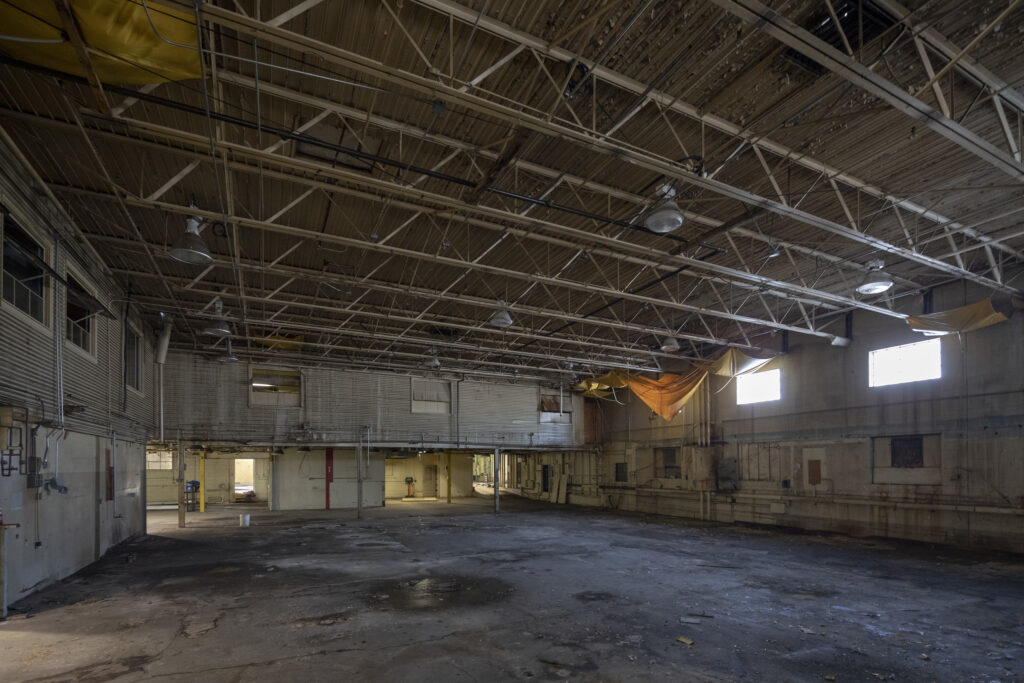
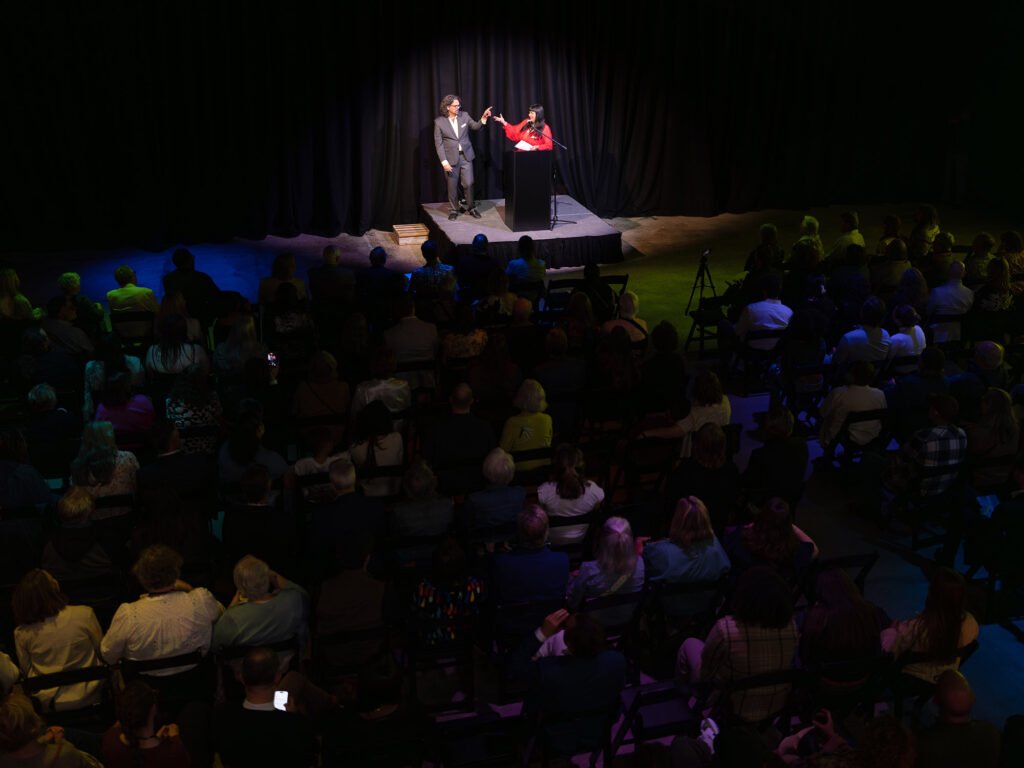
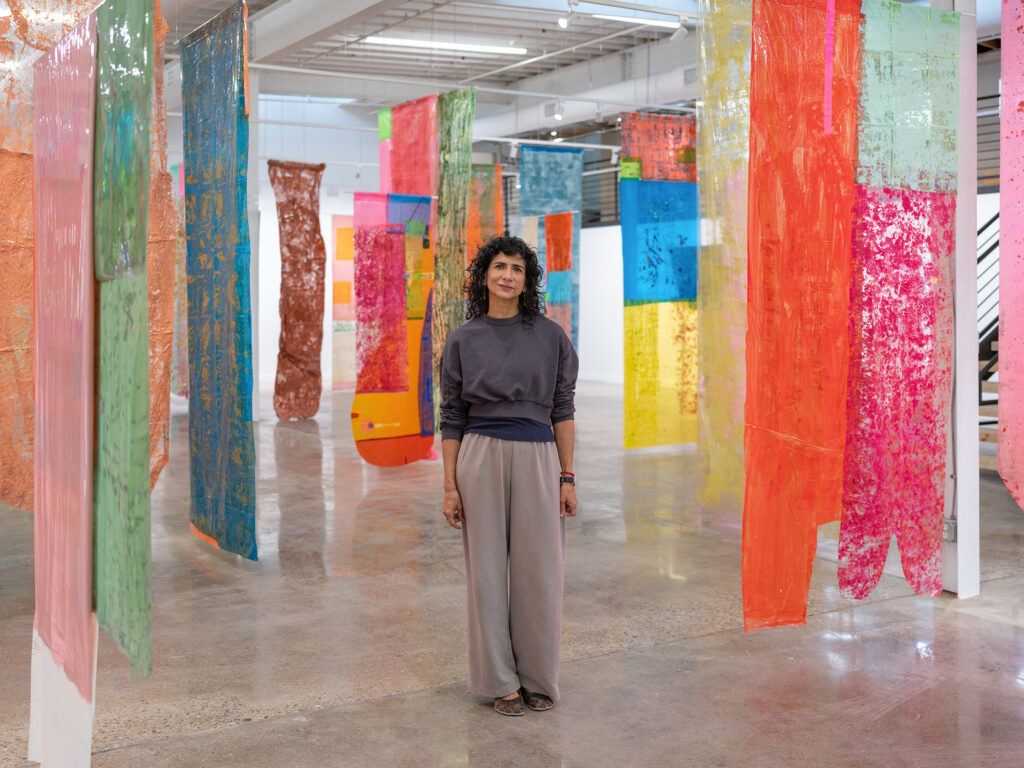
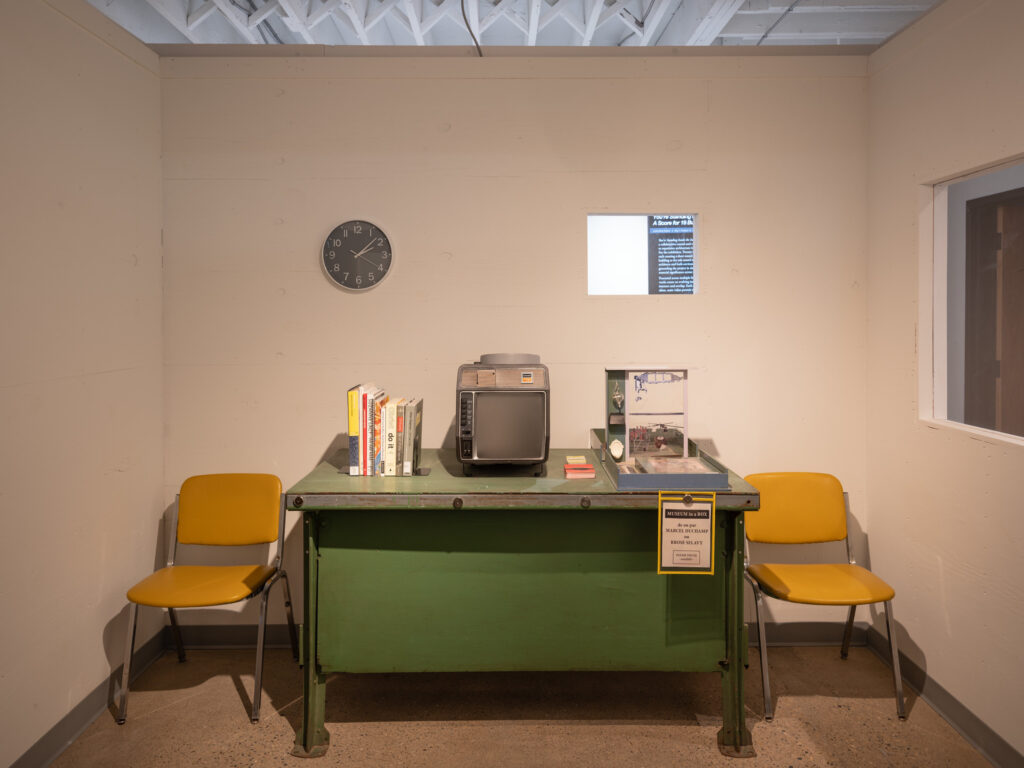
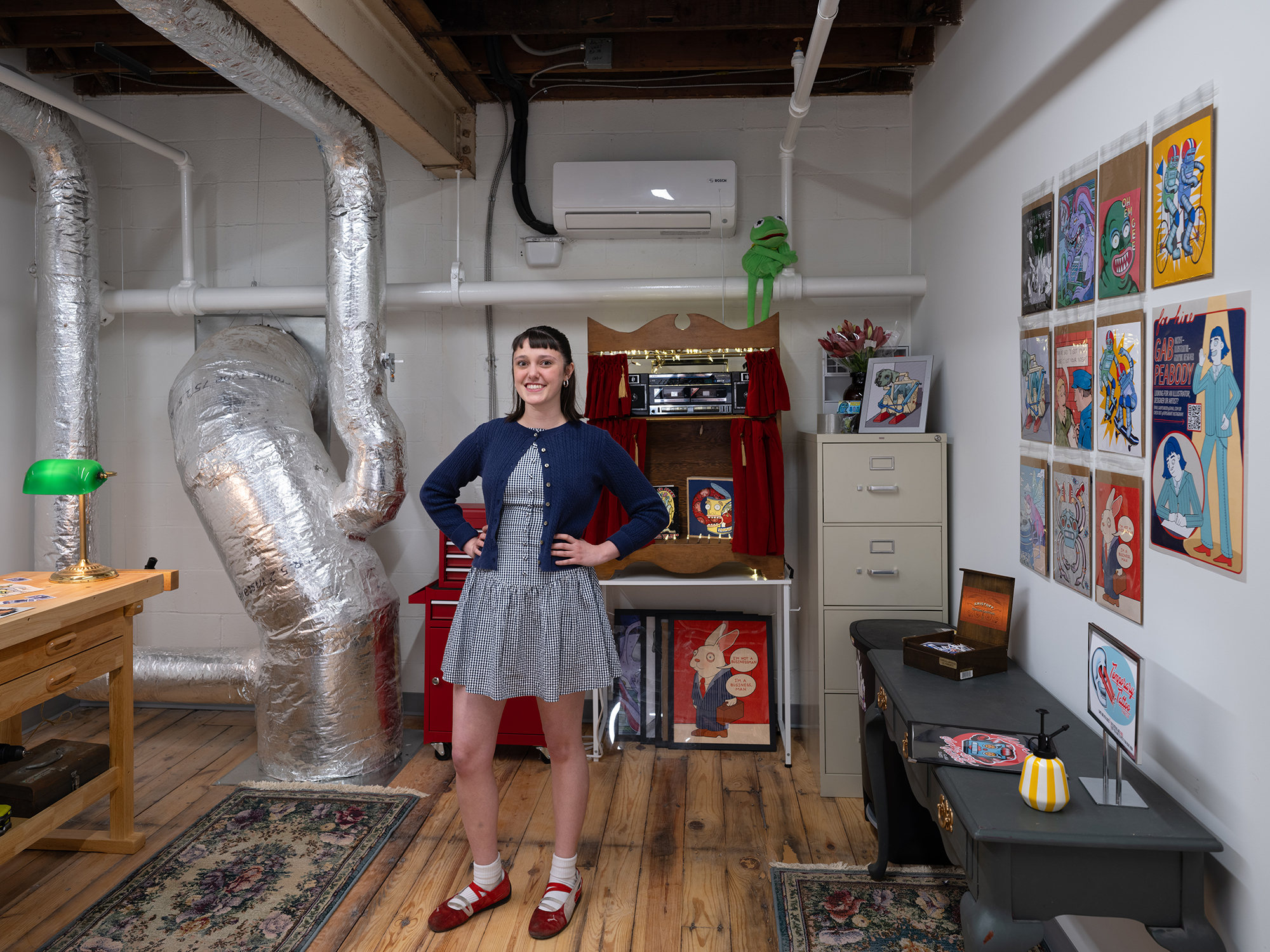
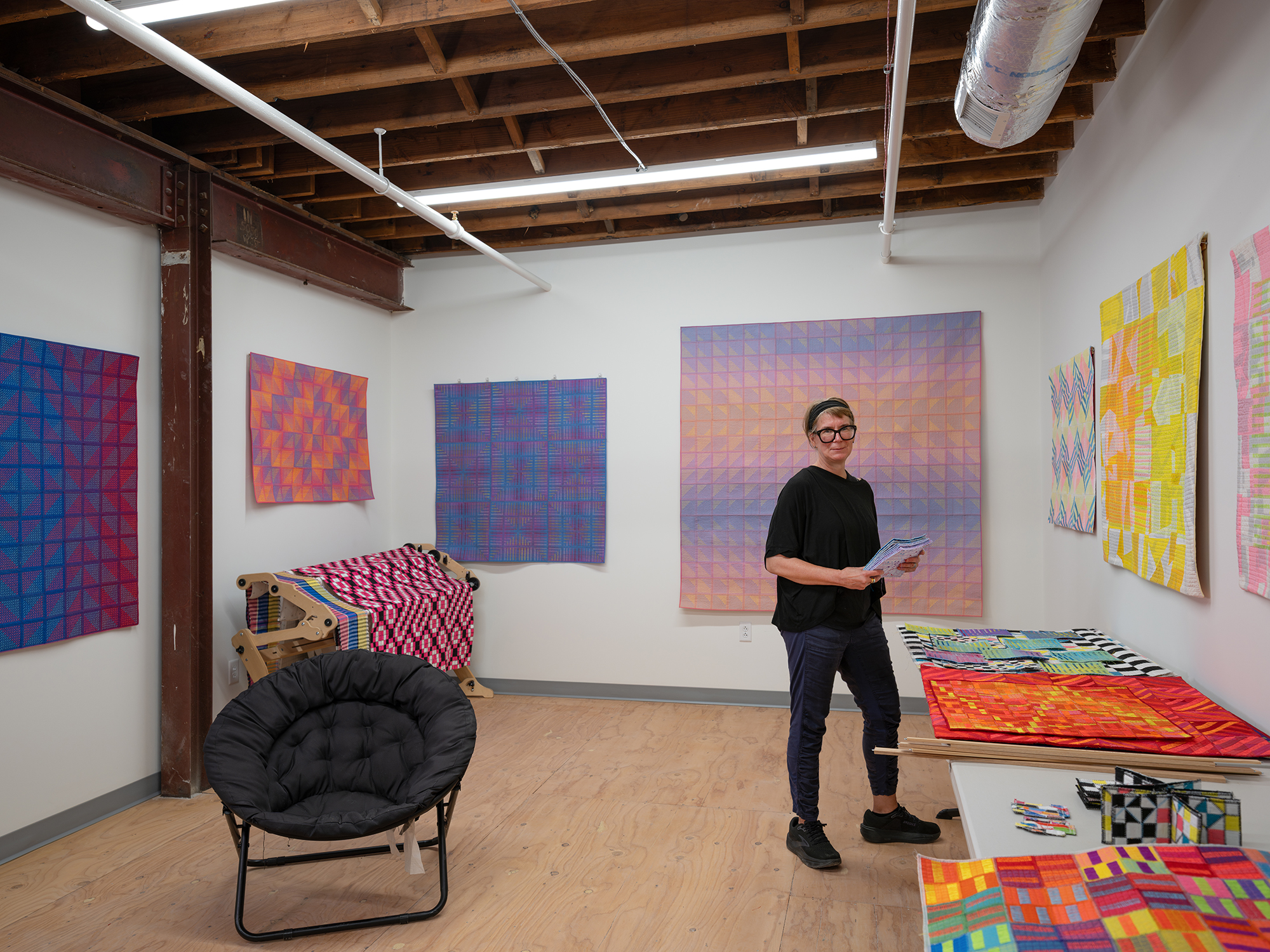
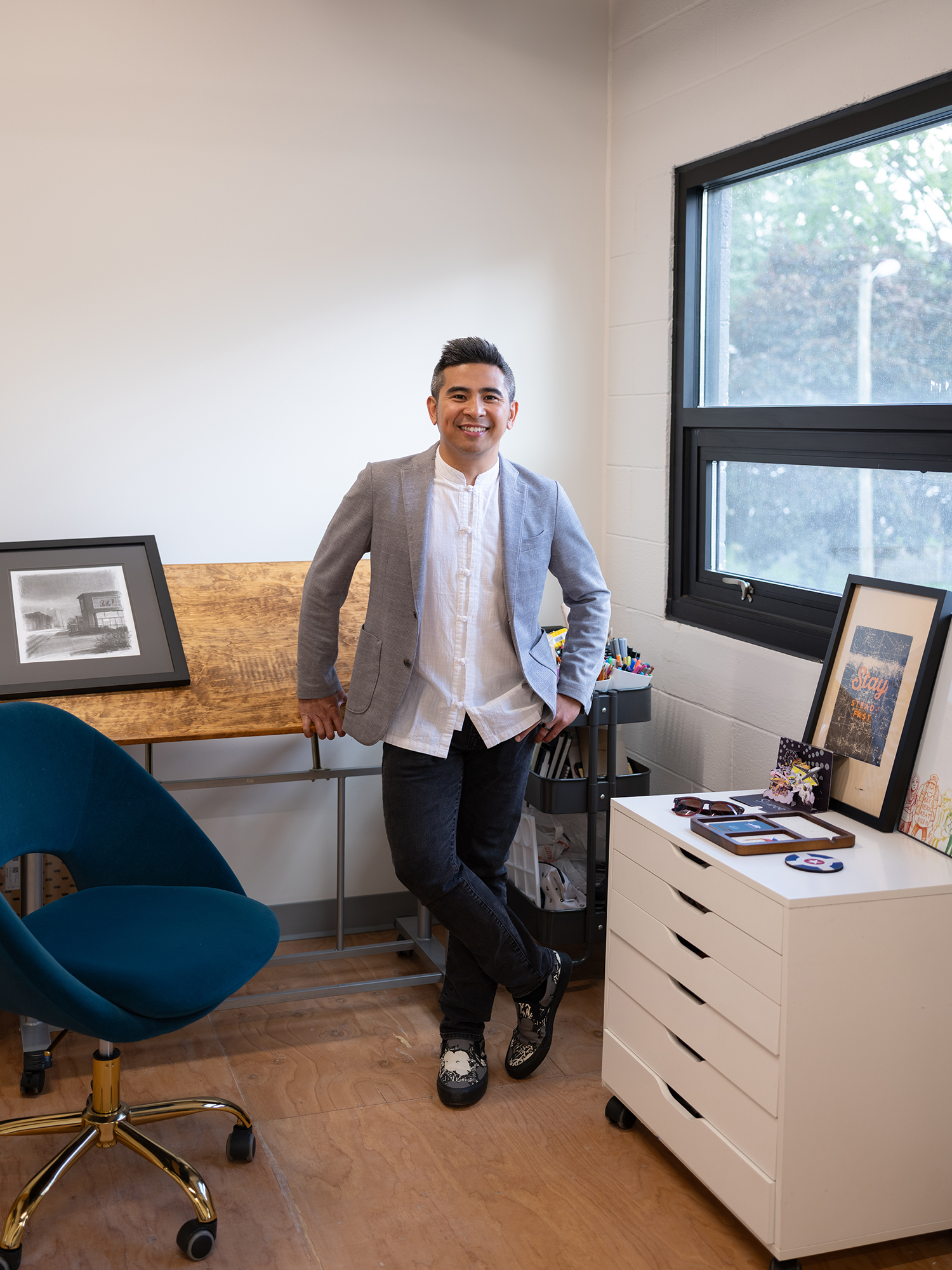
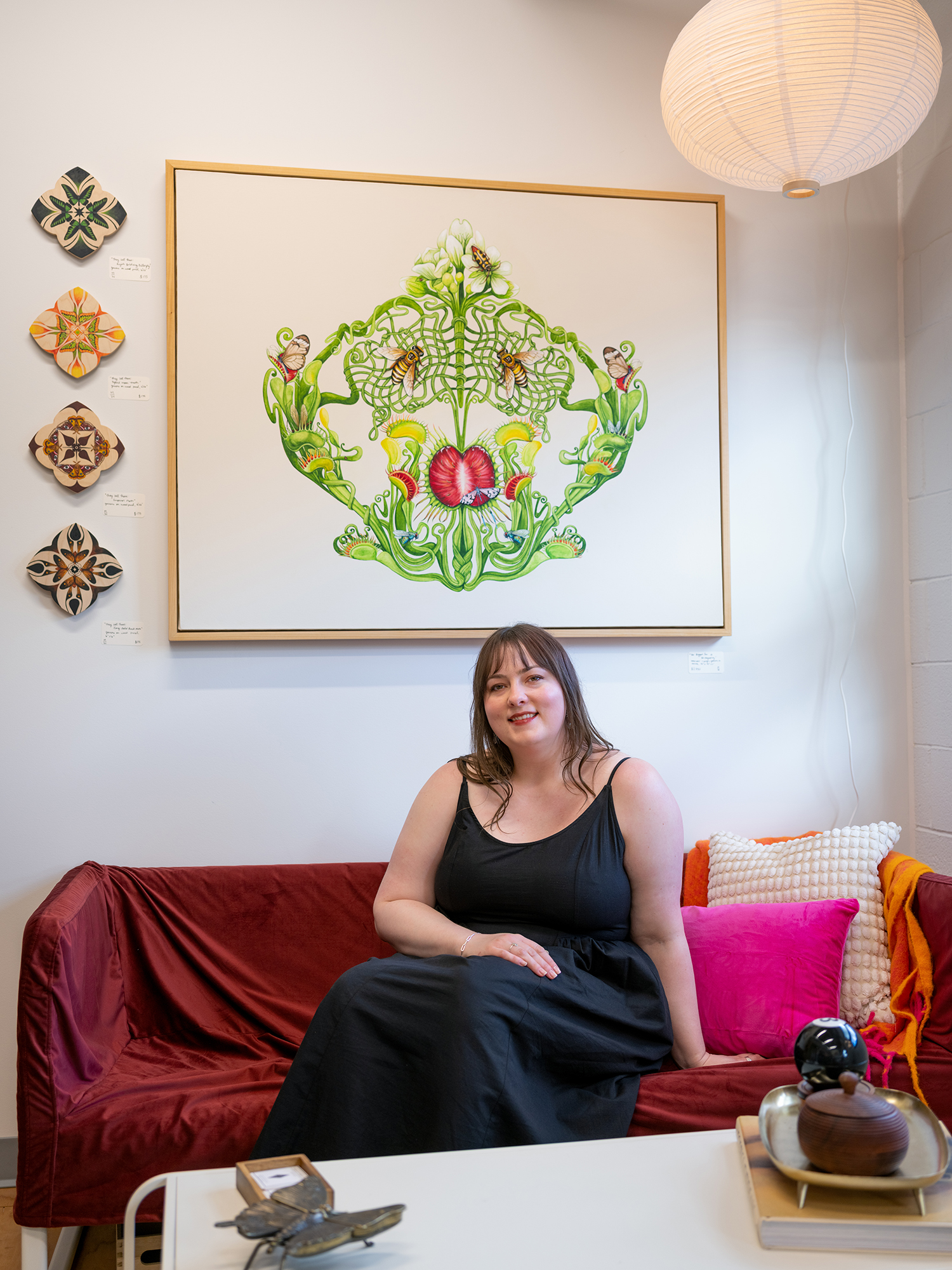
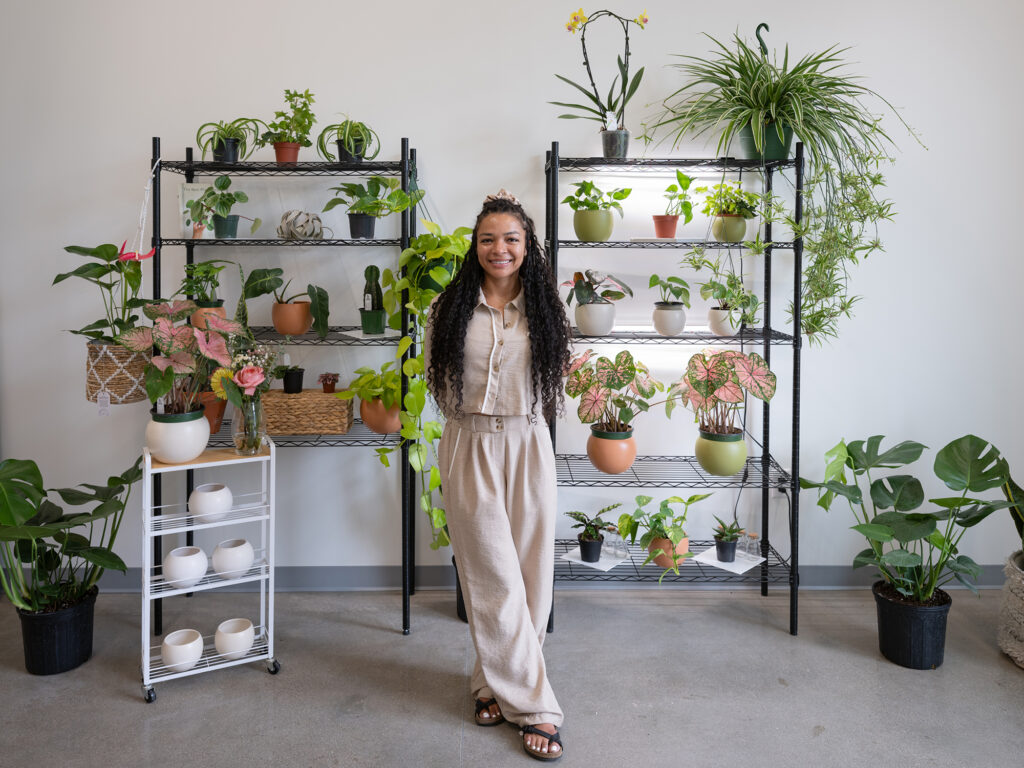
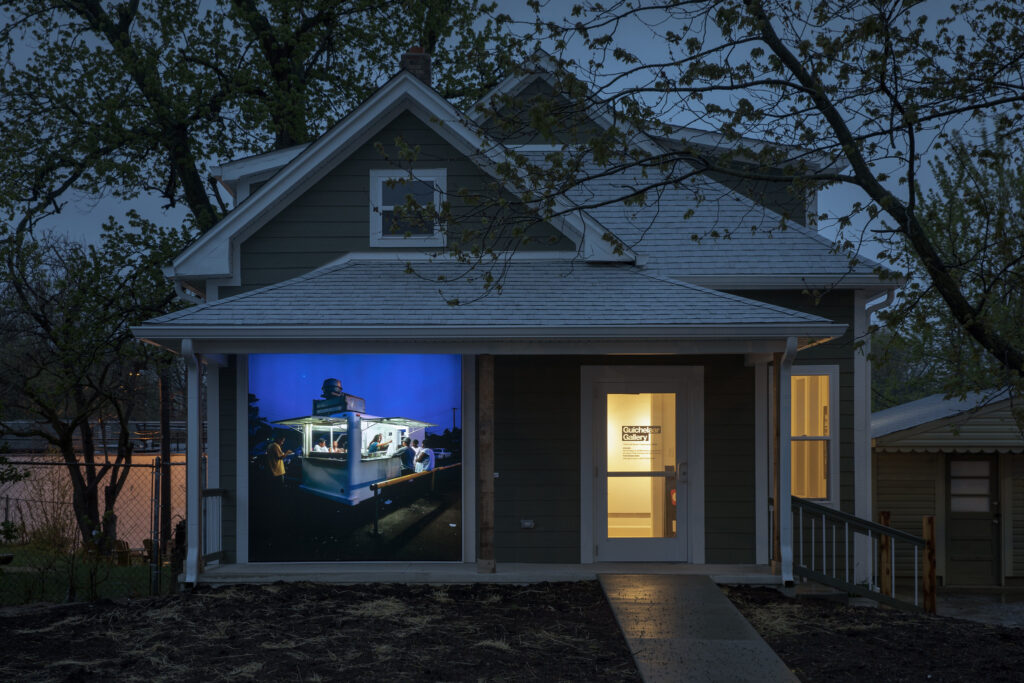
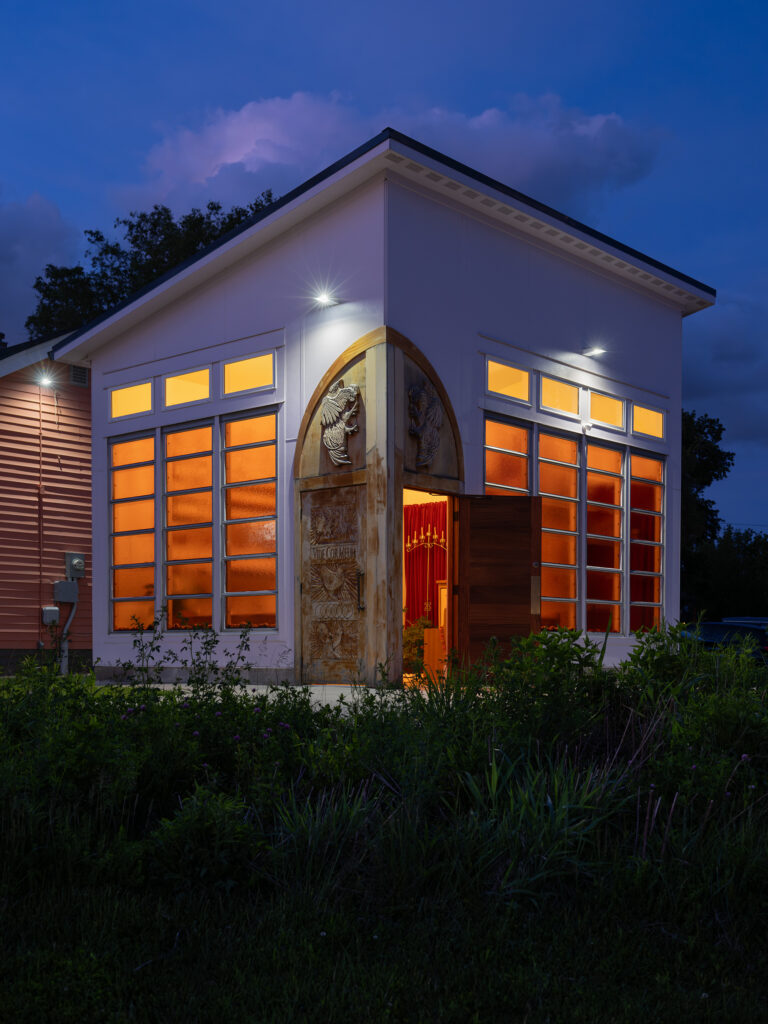
I am grateful for CAMi inviting me to photograph during their opening week celebrations, which I used as an opportunity to document the museum and make portraits of studio artists and shopkeepers in their brand-new spaces. I share a selection of those images below, along with a large light-box photograph of mine that’s displayed on the front of one of CAMi’s house galleries.
For more information about Big Car and CAMi, check out The City Creative and this recent New York Times feature. Additional details about the studio artists and businesses can be found on CAMi’s website.
 |  |
 |  |
Leave a Reply