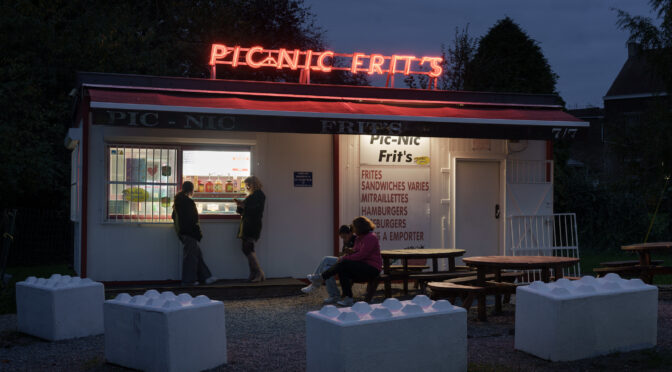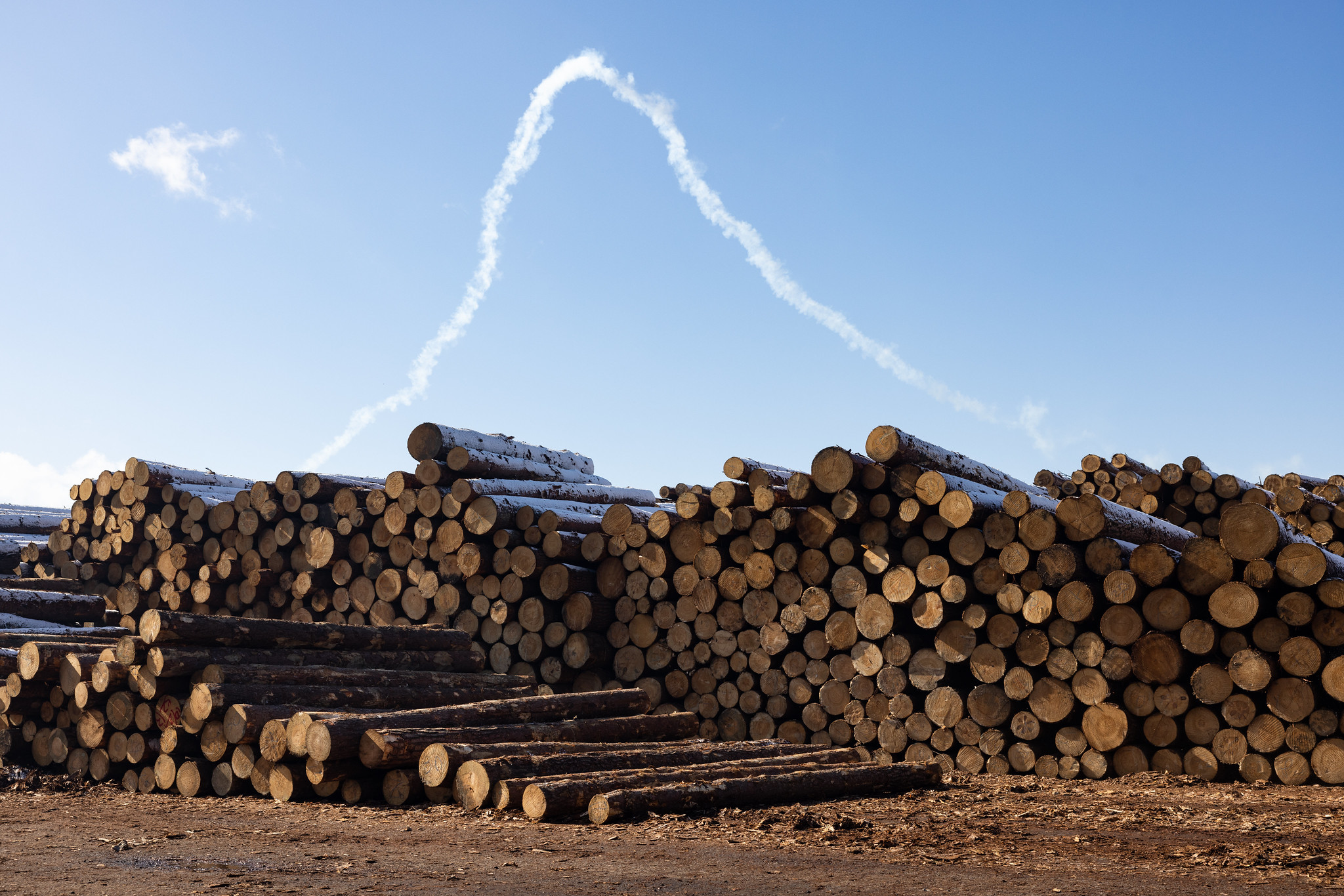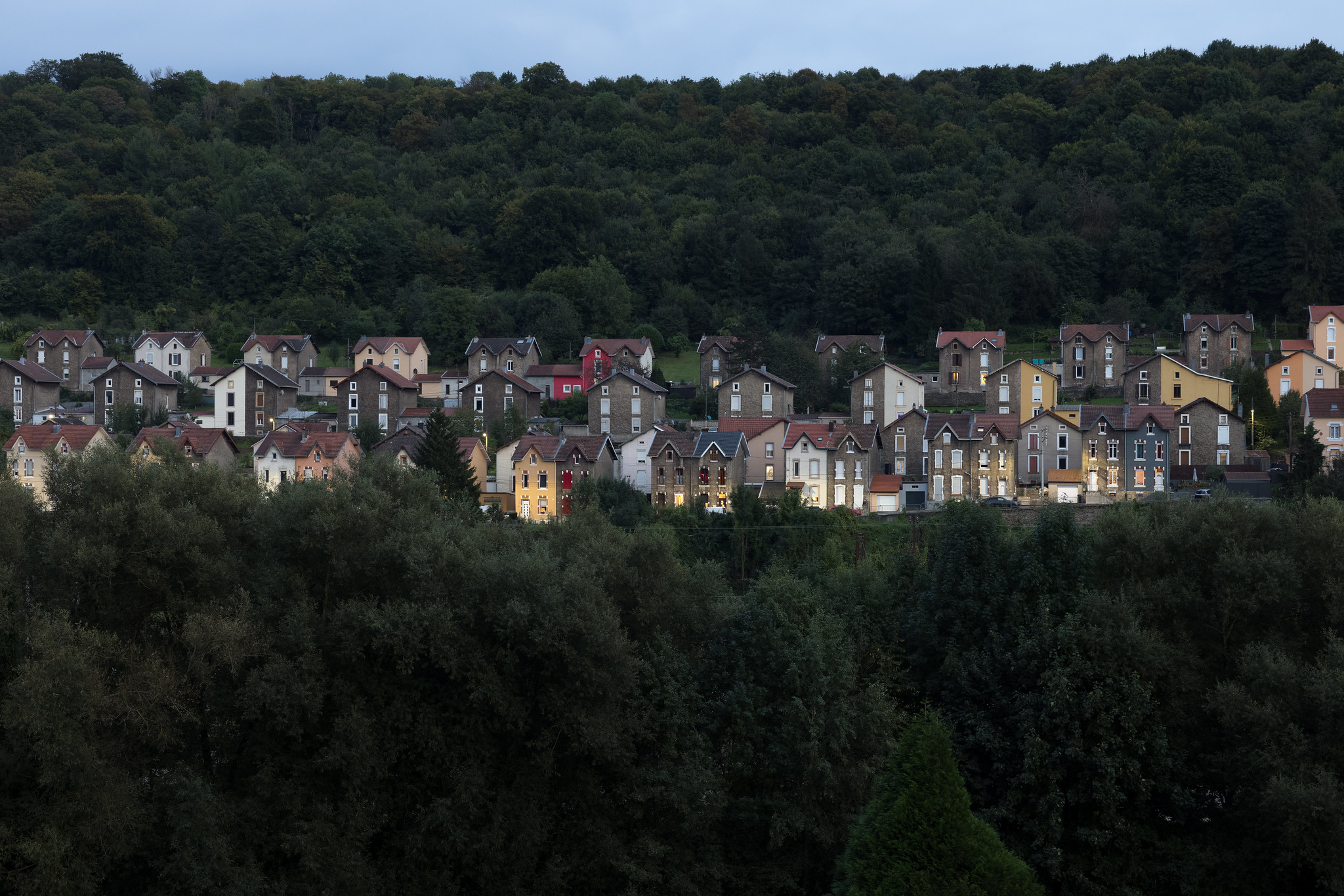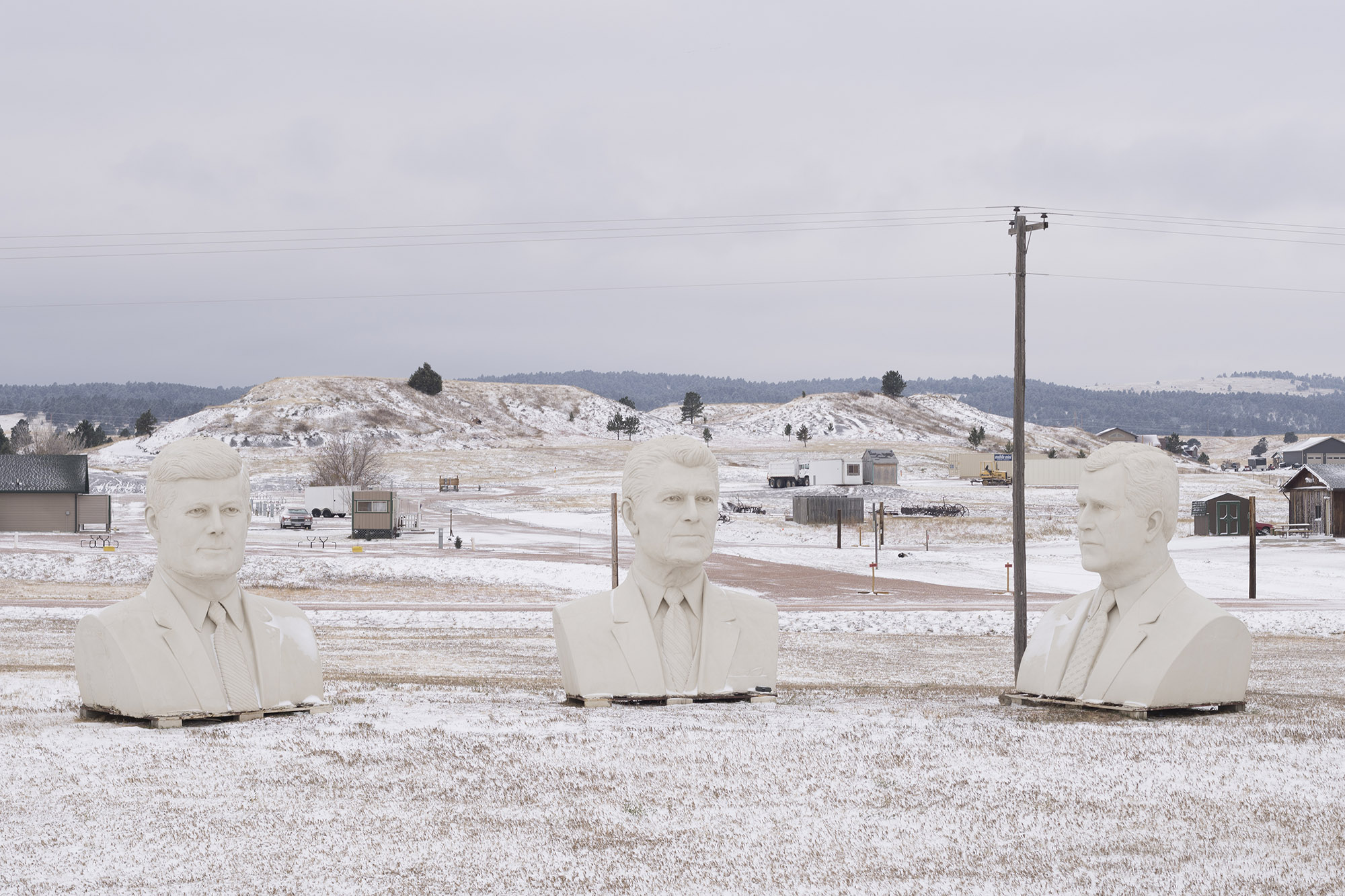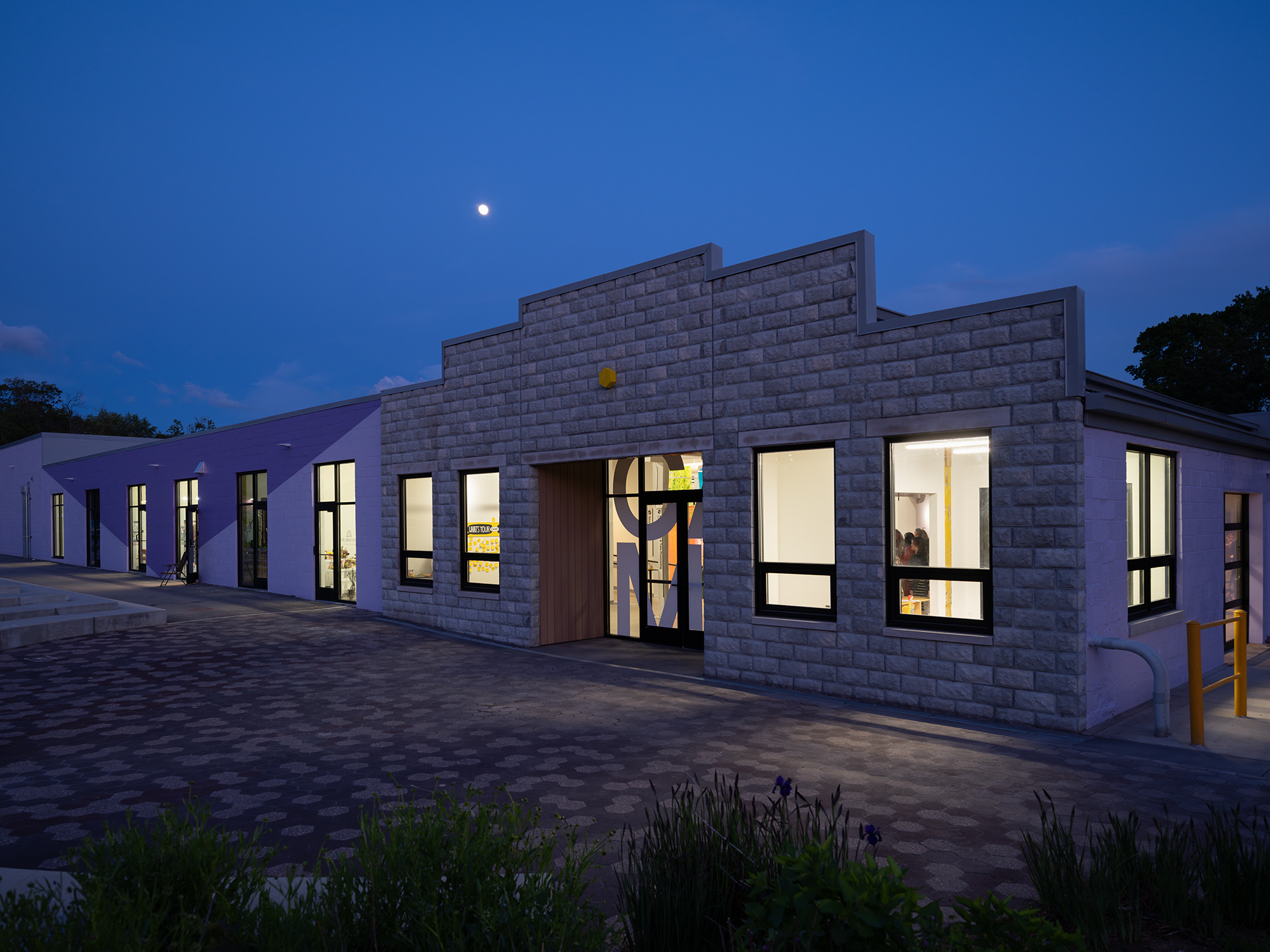
I spent last week in Detroit attending the Society of Architectural Historians‘ annual meeting, where I also had a few opportunities to continue working on my Detroit project. Selections from that work are below, followed by a few traditional architectural photographs.
Last year I compiled a list of representative photographs from many of the locations I visited in 2010. This year was similarly packed with travel, so I decided I should do it again, starting a year from when I made the last post. Nineteen U.S. metropolitan areas and Vancouver, Canada are represented, although there are a few other places I visited that I didn’t include.
A quick note about what you’ll see below: After I visit a place, I typically make a short blog post wherein I share a handful of favorite photographs from the visit. To make it easier to see those images, I’ve linked each city name to a post. Where there isn’t a post, I’ve linked the title to my full flickr set from the approximate place and labeled it with a “[f]“. You can click on any image to see a larger version of it on flickr.
Colonia residents fill their portable water tank from a new well on the Pajarito Mesa, southwest of Albuquerque. The 400 family community has no public utilities, including running water, electricity or direct access to school busing for children.
The left image was made on the first day of the Perlman Place demolition on April 16, 2010, the right on November 19, 2011. The simplified backstory is after years of neighborhood decline, a developer decided he wanted to turn this block into upmarket, renovated row houses; however, he didn’t have enough financing to make it work. The result was a stalled project, leaving the block in the state it was when pictured in the 2010. In response, the city initiated demolition. There are no immediate plans to replace the demolished units with new housing. The remaining residents are pleased that there are fewer derelict buildings to mask criminal activity, but they are terribly sad to have lost the block.
This convenience store is one of a few retailers nestled between bail bondsmen and other lower rent businesses near the county’s criminal justice complex. Downtown Dallas rises in the background.
The locally-owned West Fort Appliance is illuminated by a neighboring building in the absence of functioning streetlights in this part of the city’s southwest side.
Late Thanksgiving night, shoppers waited to take take advantage of discount prices at a Best Buy in an Indianapolis suburb. I walked the length of the parking lot just before midnight, photographing the line’s accumulation in front of four other big box store locations. Two of the four were occupied.
This man moved to Milwaukee eight years ago after living in Chicago for most of his life. Tired of living in Milwaukee, he is planning on moving to Minneapolis sometime soon.
Two boys ride a bike by a shotgun house marked for demolition on a short residential street. The former Falstaff Brewery is visible on the right side of the frame.
Vancouver’s Downtown Eastside is the location of a major redevelopment effort due to its high number of boarding houses and SROs, a few of which are seen here.
The Occupy D.C. demonstrations are located on two sites: Freedom Plaza and McPherson Square. The Freedom Plaza encampment (seen above) is adjacent to the District of Columbia’s government building and within sight of the U.S. Capitol Building.
Since Fall 2009 historian Michael Carriere and I have been working on a project documenting a range of community and economic initiatives in Milwaukee, Wisconsin.
Additional information about the show is available in this interview on Salon. Background information can be found on The Huffington Post. An image of the exhibition and sample photographs follow.
A view of “Working Legacies” at the Grohmann Museum
As I’ve been traveling in the last few weeks, I’ve visited Occupy Wall Street affiliated locations in six different cities: Baltimore, Maryland; Chicago, Illinois; Cleveland, Ohio; Detroit, Michigan; Milwaukee, Wisconsin; and both locations in Washington, D.C. Now that winter is approaching and Occupy locations are changing, I thought I should share a couple of photographs from each location.
I will add additional photographs here as I have occasion to visit new sites.
I recently traveled to Washington, D.C. to present at the American Society of Criminology annual meeting, around which I tacked a couple of extra days to photograph throughout D.C. and Baltimore, Maryland.
I was particularly interested in following up with Perlman Place, a row house block in Baltimore I photographed when visiting the area in 2010. The product of years of decline and a failed redevelopment project, the city planned to demolish of 67 of the approximately 80 houses on the block. Two images of Perlman Place are below: the first is from the day demolition was initiated in 2010, the second image is from Saturday.
The pair is followed by several of my other favorite images from this recent visit to Baltimore. I will share other images from Washington, D.C. later, but more images from bothlocations can be viewed on flickr.
Throughout October I looked forward to my recent trip to Cleveland, Ohio. Despite regularly visiting the city throughout the 1990s, I hadn’t spent any time there in a decade. I was anxious to see how some of the neighborhoods hardest hit by deindustrialization (and other critical social dynamics) had fared since earlier visits. With that in mind, I mainly focused on the East Side and the Cuyahoga Valley, although I covered considerable ground in a few busy days.
A handful of my favorite images from the visit are below, and additional images are available on my flickr account.
Special thanks go to Jeremy Shondrick for the company and wayfaring advice.
I just returned from a visit to Lubbock, Texas for the opening of my show at the Texas Tech University School of Art on September 2. While my schedule at TTU kept me busy, I was fortunate enough to have some free time to explore the city along with the Director of Landmark Arts, Joe Arredondo, and TTU MFA photography students Sarah Jamison and Tom Turner. Here are a handful of favorite images from the visit. As always, additional images from the trip can be seen on flickr.
I recently visited Las Vegas to attend the American Sociological Association’s annual meeting, during which I was able to build on my previous visit to Las Vegas by photographing the neighborhoods surrounding the Strip. A selection of my favorite images is below.
Since 2009 I’ve been working on a series of photographs documenting the Bloomingdale Trail, a disused elevated rail line in Chicago that is on its way to becoming a linear park.
I won’t complete the project until at least sometime next year, but I will be contributing six of the photographs to a large group show at the end of the month. The show, “Reframing Ruin: a Prelude to the Bloomingdale Trail,” opens from 7pm-11pm on Friday, July 29 at the Milwaukee Avenue Arts Festival. (More details are available on facebook.) A diverse group of people is contributing to the event, and I’m looking forward to seeing the full exhibition.
I haven’t published many photographs from this project, so I’ve included few images from the ongoing series here.
There’s been a renewed interest in the site of the former United States Steel South Works following Dave Matthews Band Caravan‘s use of the area. Thinking readers might enjoy a little history of the site, I’ve edited a few excerpts from my MA on the development (and decline) of the site and posted them here along with some supporting materials.
Development of USS South Works Site, 1869-2003
Compiled and aligned maps from USGS, Department of War, USS and other sources
In the mid-1800s, Chicago’s iron foundries were located on the north side of the Chicago River, but as the city expanded and demand for metal products boomed, iron and steelmakers sought space to spread out. While some business moved north, many eventually made their way to the Calumet area, which was not incorporated as a part of southeastern Chicago until the late 1880s. Businesses moved south in part due to the efforts of the Calumet Canal and Dock Company, which promoted the region as near industrial paradise. Claimed benefits of the region included lower taxes, access to rail and water traffic, and recent improvements by the Army Corps of Engineers. Among those companies lured were Pullman, which created the town of Pullman in 1881, and the North Chicago Rolling Mill Company, which bought the future site of the South Works in 1880.
The North Chicago Rolling Mill Company was founded in 1857 by Captain E.B. Ward to satisfy demand for railroad rails that was fueled by western expansion and a general boom in railroad construction. The company came to prominence in 1865 as the first company to roll steel rails rather than the much less durable iron rails. Despite a number of improvements to the North Works, Orrin W. Potter, President of the Rolling Mill Company, and other business partners realized that the North Works was too cramped to meet ballooning demand for steel rails. As such, they needed to create another works, so on March 28, 1880, the Rolling Mill Company bought 73 acres of land with 1,500 feet of frontage on the Calumet River and 2,500 feet on Lake Michigan and broke ground for what would become the first integrated rail mill in the world.
After acquisition of the marsh and beach land, the Rolling Mill Company began adding to the littoral transport of sediment that was trapped by the new government “improvements” with “great quantities of slag and refuse from their mills, on the shore and in the lake along it thereby artificially increasing the natural advance of the shore line.” By 1882, more than 30 acres of land had been added to the site.
This was the beginning of a long phase of expansions of the site that was conducted by a variety of owners, including United States Steel, until the late 1920s. Over the years, hot slag, granulated cinders and dirt were slowly poured into the site using small railroad cars. The location of the types of deposits is only partially known. Records of the deposits were regularly collected and noted by the site owners, but (at least surviving) maps were not cumulative for the process, so only spotty records of the types and times of fill exist.
An Illinois Steel Company map showing infill on the north end of the “reclamation” area, 1919
Detail of a crib wall used during the infill process, 1914
By 1933, USS had completed infill activities and had nearly saturated the now 576 acre site with buildings without establishing a coherent plan for expansion. While the South Works would operate for another sixty years, this design problem would be a major factor in its undoing. While an attempt to “reclaim” an additional 194 acres from Lake Michigan was floated in 1963, the expansion was never made, and investments became increasingly sporadic as the global steel trade underwent extreme changes.
By the early 1980s, plant closure was certain after a major planned expansion was cancelled. Within 22 years starting in 1970, the Works changed from a major steel operation with a rated annual steel capacity of over seven million tons and more than 10,000 employees to a plant with a capacity of only 44,000 tons and 690 employees at its closing in April 1992. Massive demolitions were well underway.
USGS aerial photographs of the South Works from 1983 and 1994 showing massive demolition of site structures
After closure, the site continued to be fiscally productive for the company through slip leasing, utility negotiations and other activities, but it slowly gained its derelict appearance despite EPA activities, the proposed Solo Cup plant and the park service expansion along the coast.
Looking into the north ore bins, 2003
Today, the most prominent structures are the ore bin walls, which have massive holes in them from the crane removal process. Wildlife has thrived in the interiors of these ore bins, with the concrete pad providing easy development of a wetlands and many of the supporting flora and fauna. When walking the site in 2003 and 2004, I saw or saw evidence of animals as diverse as horned owls, deer and foxes.
USS has experimented various plans for the site over the last twenty years with little luck, although it looks like the current development plan may be realized in some capacity. Whether the development looks anything like the current proposal is anybody’s guess.
A previous development plan
The current promotional video for redevelopment
Let me know if you’d like a citation for any of this material. The records of USS, the EPA and a variety of local historical societies were helpful in defining the history outlined above. Additionally, Kenneth Warren’s
Big Steel: The First Century of the United States Steel Corporation, 1901-2001 and trade publications from the day were invaluable.